Team
Members and affiliates of AUGSOC
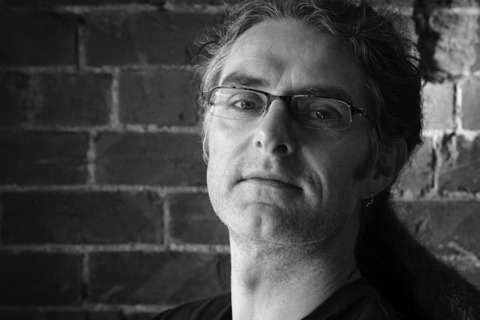
Lead Investigator
Stephen Brewster
I am a Professor of Human-Computer Interaction in the School of Computing Science at the University of Glasgow. I am a member of the GIST research section and within that, I lead the Multimodal Interaction Group doing world-leading research in human-computer interaction (mig.dcs.gla.ac.uk). My research focuses on multimodal HCI, or using multiple sensory modalities and control mechanisms (particularly audio, haptics and gesture) to create a rich, natural interaction between human and computer. My work has a strong experimental focus, applying perceptual research to practical situations. I currently hold and ERC Advanced Grant on virtual and augmented reality (the ViAjeRo project). I also work on interfaces for mobile devices and in-car interactions.
I am a Fellow of the Royal Society of Edinburgh, a member of the ACM SIGCHI Academy and an ACM Distinguished Speaker.
My profile on Google Scholar gives an updated list of publications.

Research Associate
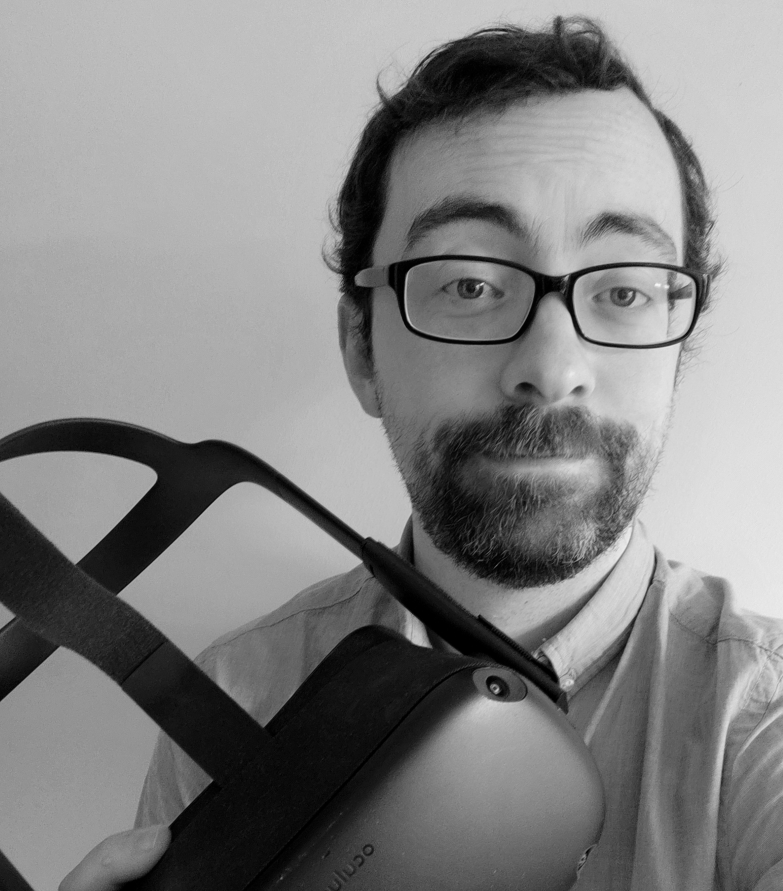
Julie Williamson
I am a Lecturer in Human Computer Interaction at the University of Glasgow. My research focuses on how people use technology in public spaces and how interactive technologies can be designed given the “performative” aspects of using technology in public. I completed my PhD in Computing Science at the University of Glasgow in January 2012, supervised by Stephen Brewster. I completed my Bachelor of Science Cum Laude in Informatics at the University of California, Irvine.
Research Associate
Mark McGill
I’m a Lecturer in Extended Reality (XR) and Human Computer Interaction (HCI) in the School of Computing Science, University of Glasgow, and part of the Multimodal Interaction Group within the GIST research section. My research spans work at the intersection of XR, HCI, and the anticipated future of spatial computing, including:
- Future XR-enabled passenger experiences, as a founding part of ERC ViAjeRo project, examining key problems around motion sickness, interaction in constrained spaces, social acceptability, telepresence/communication, reality awareness and more.
- Future productivity experiences, and the benefits to mobility and ergonomics posed by XR
- The societal opportunities and challenges posed by mass adoption of XR (and in particular everyday Augmented Reality as pursued by every major tech company) around privacy, freedom of expression and more.
I’m always on the look out for promising students with intersectional interests in XR, so do drop me an email if you want to collaborate or be supervised here!
Research Associate
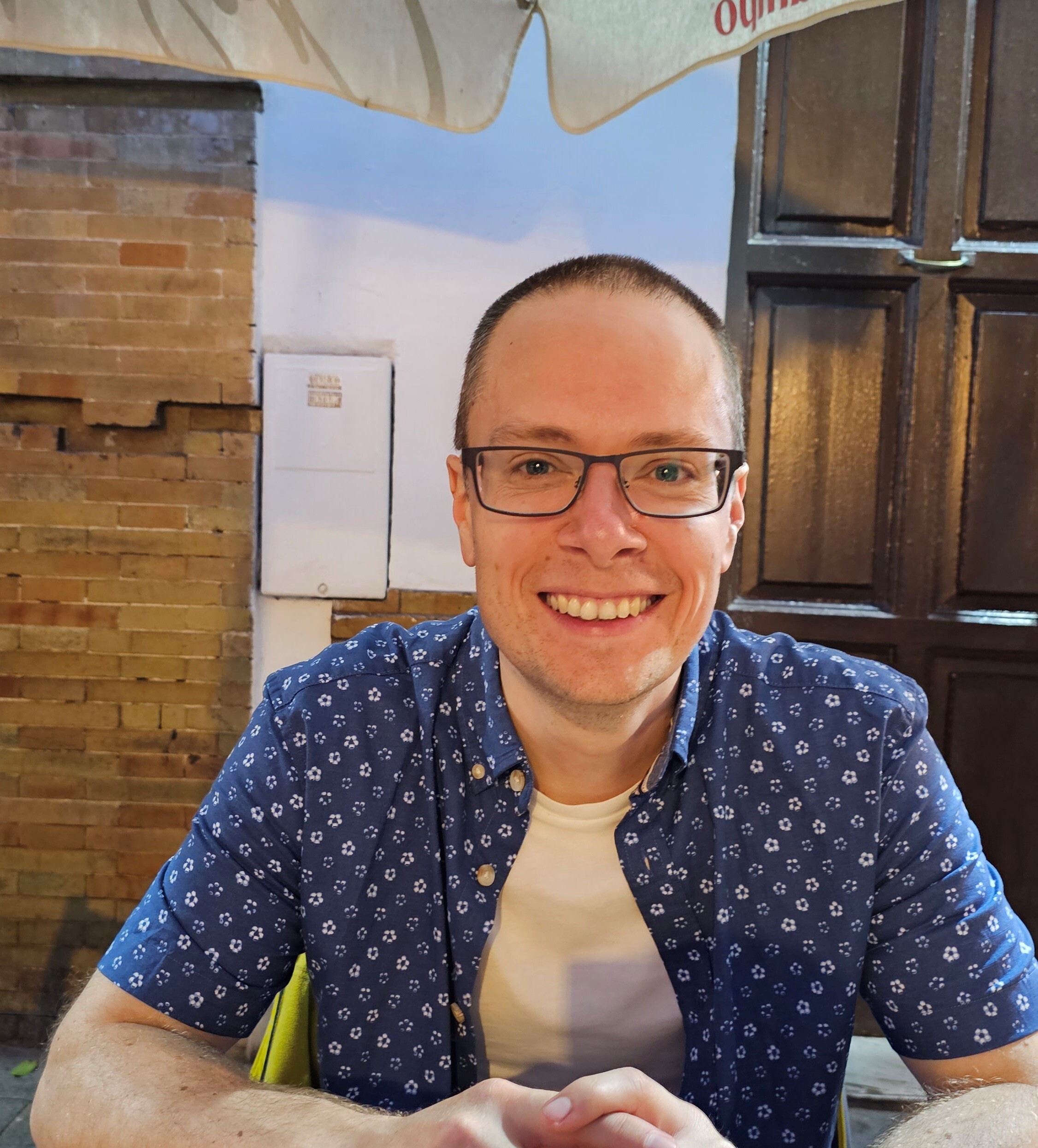
Graham Wilson
I’m a Research Fellow in Human-Computer Interaction and Mixed Reality, having previously worked on ERC ViAjeRo and in digital health at University of Strathclyde. My research in particular focuses on the psychological, cognitive and physical benefits/risks of long-term usage of virtual, mixed and augmented reality media.
Research Associate
Gang Li
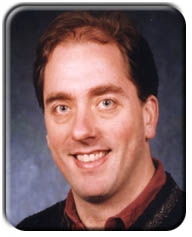
I was born in China in 1985. I earned a B.Eng. degree in Communication Engineering from Nanchang Aeronautical University, China, in 2007, an M.Sc. degree in Computer Science and Engineering from Pusan National University, South Korea, in 2010, and a Ph.D. in Brain-Computer Interface (BCI) from Pukyong National University, South Korea, in 2016. Before pursuing Ph.D, I worked in an IoT company, Wiznet, South Korea, engaged in hardware prototyping and firmware development for Ethernet gateway devices. During my Ph.D. studies, I developed a fully wearable, AI-driven BCI system integrated with brain stimulation techniques to detect and mitigate driver drowsiness (Paper Link). Following my Ph.D., I pursued postdoctoral training in cognitive neuroscience at the University of California, San Francisco (UCSF), US (Paper Link) and Human-Computer Interaction (HCI) at the University of Glasgow, UK (Paper Link). As of August 2024, I am a Lecturer of HCI at the University of Bath, where I am affiliated with the School of Computer Science and the Bath Institute for Augmented Human, UK. My research interests focus on the intersection of VR and BCI for human augmentation, including neuroergonomics and neurorehabilitation. Specific research streams are as follows:
VR-BCI (where BCI can be EEG, fNIRS and DOT-based) EEG-guided Open/Close-loop Brain Stimulation Vestibular Neuroscienece (including neural basis of cybersickness/motion sickness)
Research Associate
Frank Pollick
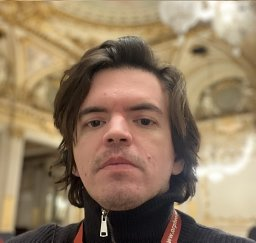
Interested in the perception of human movement and the cognitive and neural processes that underlie our abilities to understand the actions of others. In particular, recent research emphasises brain imaging and how individual differences involving autism, depression and skill expertise are expressed in the brain circuits for action understanding. Research applcations include virtual reality and cyber sickness as well as trust in human-AI interactions. Obtained BS degrees in physics and biology from MIT in 1982, an MSc in Biomedical Engineering from Case Western Reserve University in 1984 and a PhD in Cognitive Sciences from The University of California, Irvine in 1991. Following this he was an invited researcher at the ATR Human Information Processing Research Labs in Kyoto, Japan from 1991-97.
Research Associate
Daniel Pires de Sá Medeiros
I am currently a Maitre de Conferences (Assistant Professor) at Télécom Paris (Institut Polytechnique de Paris) where I develop novel interaction techniques in Virtual and Augmented Reality. I received my PhD in Information Systems and Computer Engineering from Instituto Superior Técnico, University of Lisbon. My main interests include Virtual Reality, 3D User Interfaces, Augmented Reality and Human Computer Interaction.

Research Associate
Katharina Margareta Theresa Pöhlmann
I am an XR researcher with a background in cognitive science and neuroscience focusing on how we can make VR accessible to anyone by reducing or hopefully one day eliminating cybersickness.
My current work focuses on using XR headsets in transport and how these devices can be used to increase comfort and enjoyment and reduce motion sickness in passengers and how we can use multiple sensory cues such as auditory or tactile cues to reduce cybersickness in XR.
I have 5+ years of experience conducting both quantitative and qualitative research focusing on user experience of virtual environments.
Supported By
Ammar Al-Taie
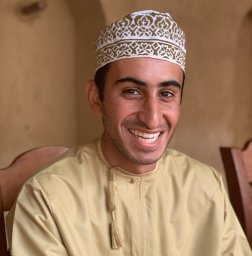
My area of research is Autonomous Vehicle-Cyclist interaction. This often involves utilising unconventional technologies, such as new displays on the car’s exterior. I am a “hands-on” researcher; most of my work is conducted in real-world settings using new technologies such as eye-tracking.
Rawan Zreik Srour
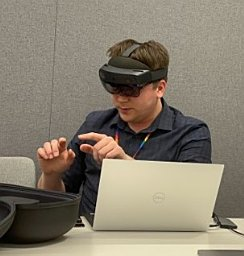
Research title: Partnering older drivers with new driving technology
PhDs
Laura Bajorunaite
I am a PhD student doing research on social acceptability of Virtual and Augmented Reality technologies in travelling contexts as part of the Viajero Project. I have completed my MSc in Human-Computer Interaction with distinction at Nottingham University in 2018. Since then I have worked as a module tutor and a research assistant at Nottingham University and started my PhD in Glasgow in 2019.
Thesis link: https://theses.gla.ac.uk/85221/
Iain Christie
Research title: Virtual and augmented realilty passenger experiences